
Featured

The World Cup Promised $3.8 Billion — Here's What Canada Actually Got

       Monday July 13, 2026 FIFA promised Canada a $3.8-billion economic windfall for hosting the 2026 World Cup. Two weeks into play in Toronto, the receipts tell a very different story — and there's a lesson in it for anyone thinking a "big event" boost is coming to their city, their rental property, or their business. The Billion-Dollar Bill Came First Before a single ball was kicked, Canadian taxpayers were already on the hook. According to the Parliamentary Budget Office, governments across the country will spend roughly $1.07 billion hosting the 2026 tournament. Toronto alone budgeted $380 million to host six matches at BMO Field. British Columbia's tab for Vancouver's seven matches at BC Place came in even higher, at about $578 million. Ottawa is chipping in $473 million of that total — including $220 million in direct grants to Toronto and B.C., plus another $145 million earmarked for security costs during the tournament. Net of federal help, Toronto and B...
article

Budget Grocery Shopping Tips to Save Money


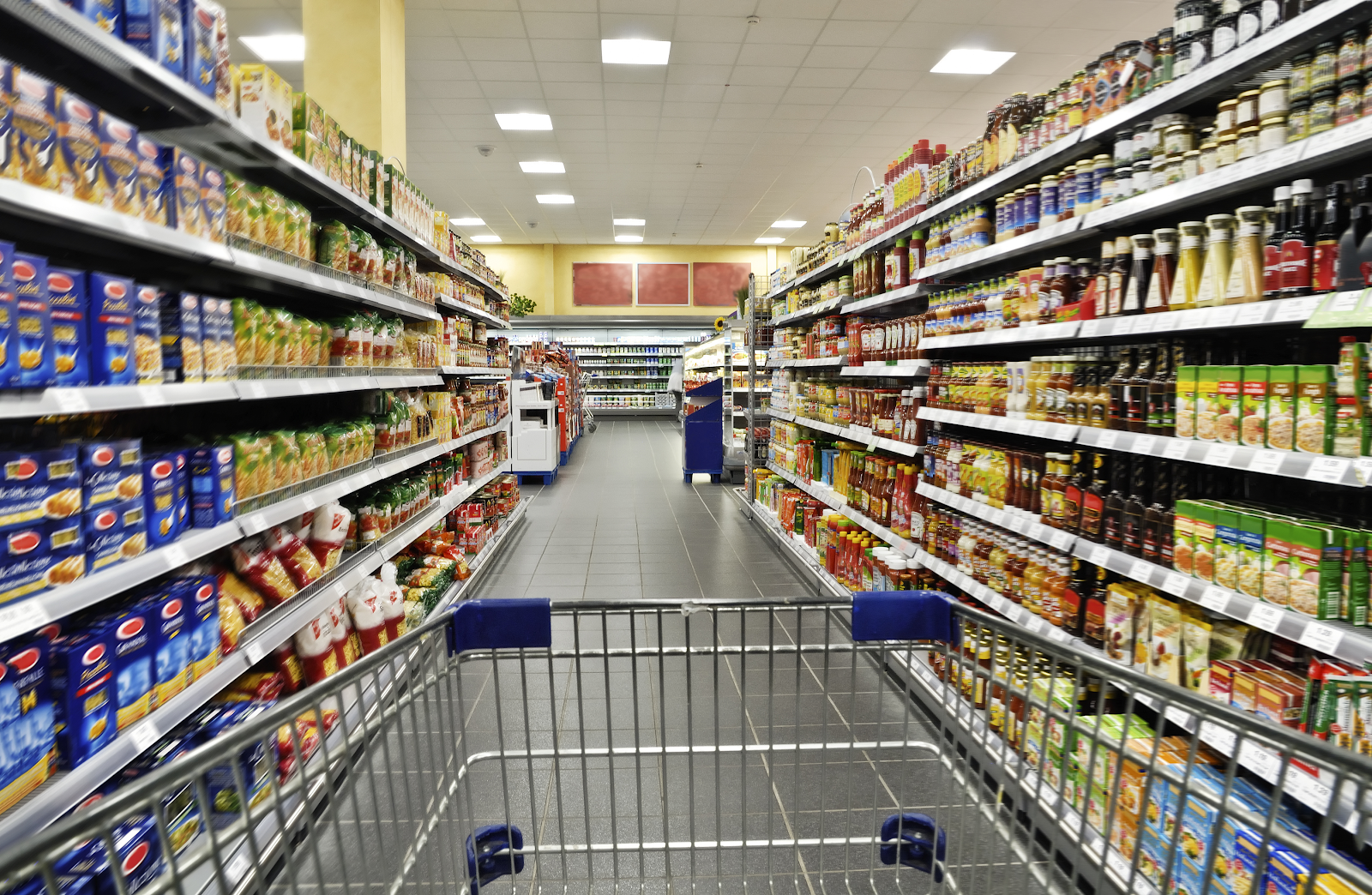
 Here are some time-saving grocery tips that you might find useful:

1. Use a master grocery list: A master grocery list is a reusable list of all the items you regularly buy. You reference it every time you make your shopping list, to make sure you don’t forget anything. It’s also a huge time-saver! Just grab your master grocery list and check your fridge, pantry, and freezer to see what you need to buy.

2. Try Eat at Home Meals: If you’re looking for a more done-for-you solution (and wish someone else planned your meals), check out Eat at Home Meals! They provide monthly menus AND the coordinating shopping lists. You can choose meals from 4 different styles – Traditional, Wholesome, Slow Cooker/Instant Pot, and No Flour/No Sugar. 

3. Create an official grocery list: Plan out weekly meals and snacks, then create a grocery list based on your menu. Sticking to your grocery list will save you time aimlessly wandering around the store.

4. Avoid grocery shopping after work: If possible, avoid grocery shopping after work. Quitting time is when most people do their shopping, so stores are often crowded during this time.

5. Buy in bulk: Buying in bulk can save you both time and money in the long run.

6. Check the unit price: When buying groceries, always check the unit price to ensure that you’re getting the best deal.

7. Do not shop hungry: Shopping while hungry can lead to impulse buying and overspending.

8. Pre-cook or marinate meat: If you buy large packages of meat, pre-cook or marinate it and then freeze it to speed up meal times.

9. Wash and/or cut up fruit and vegetables once a week: Spend some time once a week washing and/or cutting up fruit and vegetables so that they’re ready to eat when you need them.


Comments