Featured

U.S.–Iran Strikes Escalate: What It Means for Your Gas Bill and Savings

  ⚡ BREAKING · MAY 8, 2026 By MoneySavings.ca Editorial Team   |  May 8, 2026  |  5 min read The Strait of Hormuz, photographed from space. Approximately 20% of the world's oil supply passes through this narrow waterway. (Image: NASA / Public Domain) American warships were attacked in the Strait of Hormuz on May 7, 2026 — and the U.S. military fired back hard, striking Iranian ports at Qeshm and Bandar Abbas. For Canadians, this isn't just a distant war story. It's a pocketbook issue. 20% of global oil transits the Strait of Hormuz every day $94 projected WTI crude price per barrel if closure continues (CEPR, 2026) 5% of normal shipping traffic still moving through the Strait What Happened — and When The crisis didn't begin overnight. On February 28, 2026, the United States and Israel launched coordinated strikes against Iran, targeting nuclear infrastructure and senior military leadership — including Supreme Leader Ali Khamenei, who was killed in the strik...

article

5 Tips to Save Money on Your Next Grocery Trip


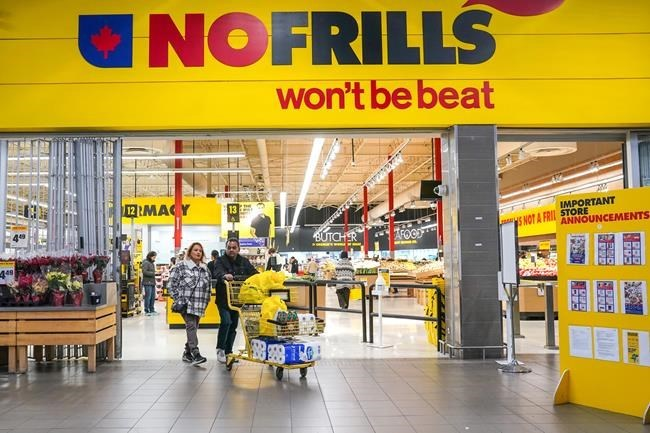
Here are some tips to save money while grocery shopping:

1. Plan your meals

Before heading to the grocery store, plan your meals for the week. This will help you avoid buying unnecessary items and reduce food waste. Make a list of the ingredients you need for each meal and stick to it.

2. Look for deals

Check out the discount racks or look out for items that are on sale. You can also use coupons to save money. But be careful not to buy something just because it’s on sale.

3. Buy in bulk

Buying in bulk can save you money in the long run. You can purchase non-perishable items such as rice, pasta, and canned goods in bulk. This will help you save money and reduce the number of trips you make to the grocery store.

4. Shop at the right time

Try to shop at the grocery store during off-peak hours. This will help you avoid crowds and long lines. You can also take advantage of the markdowns on perishable items that are close to their expiration date.

5. Avoid pre-packaged items

Pre-packaged items are often more expensive than their unpackaged counterparts. For example, you can save money by buying a block of cheese and shredding it yourself instead of buying pre-shredded cheese.


Comments