Featured

Trump Pushes Iran Strike Deadline Into April Amid Intensifying Regional Tensions

Onlookers watch from a window the site of a residential building damaged by a strike, amid the U.S.-Israeli conflict with Iran, in Tehran, Iran, March 27, 2026.  U.S. President Donald Trump has extended the deadline for Iran to reopen the Strait of Hormuz or face strikes on its energy infrastructure, moving the cutoff to April 6 at 8 p.m. EDT (April 7 GMT) . The decision follows Tehran’s rejection of a 15‑point U.S. proposal aimed at ending the conflict, which has already spread across the Middle East and disrupted global energy markets.  The conflict, now in its fourth week, has resulted in thousands of casualties and sent oil and fertilizer prices soaring, fueling global inflation concerns. The United States and Israel began striking Iranian targets on February 28 after nuclear negotiations failed to produce a deal. Trump stated that talks are “going very well,” though Iran denies any direct engagement with Washington.  Trump’s extension comes after he previously pau...

article

Israel Strikes Hezbollah Targets Deep Inside Lebanon: Escalating Tensions and Aerial Confrontations

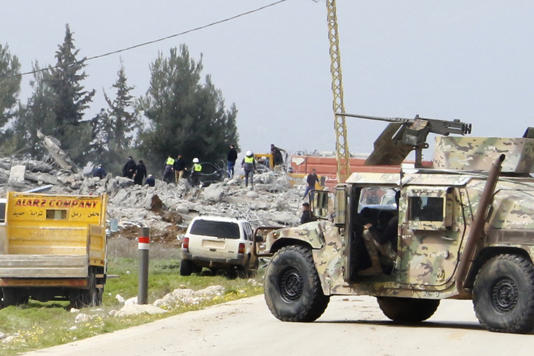
In a significant escalation of hostilities, the Israeli Air Force carried out rare strikes on targets deep inside Lebanon. These strikes, which occurred on Monday, have raised concerns and revived tensions in the region. Here are the key details:

  1. The Strikes: Israeli warplanes targeted locations associated with the militant Hezbollah group within Lebanese territory. The strikes were notably deep into Lebanon, near the northeastern city of Baalbek. Residents reported explosions, and at least two people lost their lives in the attacks.

  2. Hezbollah’s Response: The Israeli strikes came shortly after Hezbollah claimed to have shot down an Israeli drone using its air defense system. This incident further heightened the already tense situation along the Lebanon-Israel border.

  3. Context: These strikes mark some of the deepest Israeli military actions within Lebanon since the onset of the Israel-Hamas war more than four months ago. The conflict has been ongoing, and the recent events underscore the volatility of the region.

  4. Cease-Fire Talks: Interestingly, these strikes occurred just a day after Israel’s Defense Minister, Yoav Gallant, vowed to intensify attacks on Hezbollah, even if a cease-fire is reached with Hamas in the Gaza Strip.

As the situation unfolds, the international community closely monitors developments in the Middle East. The delicate balance between regional powers remains precarious, and any further escalation could have far-reaching consequences.


Comments