Featured

Global Travel Industry Reels as Middle East Conflict Triggers Deep Market Shock

Stranded passengers wait near Emirates Airways customer service office at I Gusti Ngurah Rai International Airport in Kuta, Bali, Indonesia. Travel stocks have plunged sharply as the escalating conflict involving the US, Israel, and Iran triggers the most severe disruption to global aviation since the pandemic. Major Middle Eastern hubs—including Dubai, the world’s busiest international airport—have remained closed for days, stranding tens of thousands of passengers and forcing airlines to reroute or cancel flights on a massive scale.  Oil prices have surged by about 7% amid rising geopolitical tensions, adding further pressure to airlines already grappling with operational chaos. Higher fuel costs are expected to squeeze margins across the sector, with analysts warning that the ripple effects could last for weeks.  European travel giants have been hit especially hard. Shares in TUI dropped 8.5% in early trading, while Lufthansa and other major carriers saw declines of up t...

article

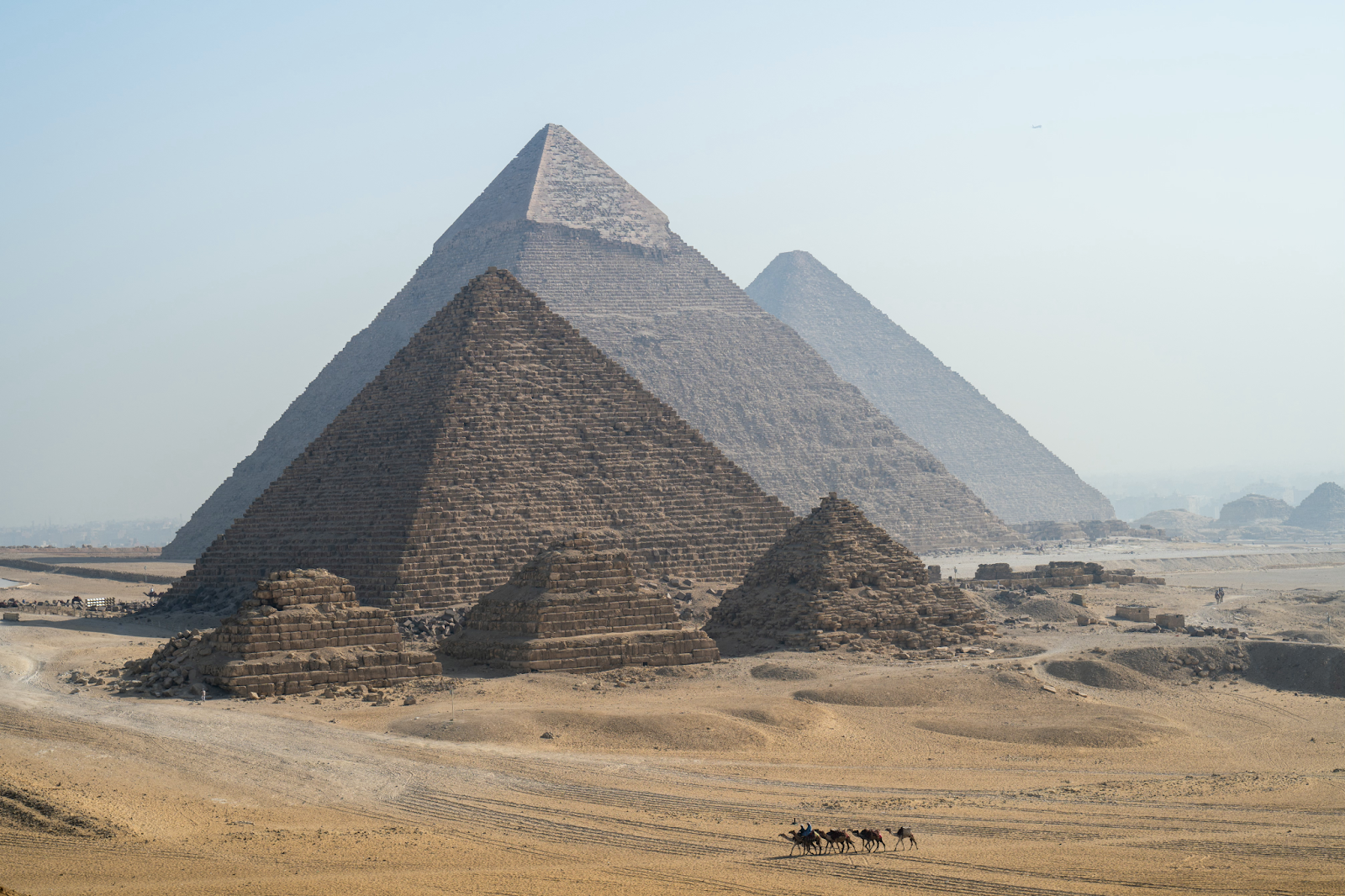
Ancient Egyptian Superhighway: The Ahramat River’s Role in Pyramid Construction


For centuries, the construction of Egypt’s majestic pyramids has been shrouded in mystery, with numerous theories attempting to explain how these ancient wonders were built. Now, a groundbreaking discovery may hold the key to this age-old question.

  • The Ahramat River: Researchers have uncovered a lost branch of the Nile, named Ahramat, which they believe was instrumental in transporting materials for pyramid construction.
  • Transportation of Materials: The river, running alongside 31 pyramids, was likely used to float massive stone blocks, some weighing over a ton, from distant quarries to the construction sites.
  • Technological Breakthrough: The discovery was made possible through radar satellite imagery, enabling scientists to identify buried rivers and structures beneath the desert sands.
  • Impact on Pyramid Placement: The study suggests that the positioning of pyramids farther east during Egypt’s Middle Kingdom era was due to the migration of the Ahramat waterway since the Old Kingdom era.

This revelation not only demystifies the construction process of the pyramids but also provides insight into the sophisticated infrastructure and planning capabilities of ancient Egyptian civilization.

Comments