Featured

U.S.–Iran Strikes Escalate: What It Means for Your Gas Bill and Savings

  ⚡ BREAKING · MAY 8, 2026 By MoneySavings.ca Editorial Team   |  May 8, 2026  |  5 min read The Strait of Hormuz, photographed from space. Approximately 20% of the world's oil supply passes through this narrow waterway. (Image: NASA / Public Domain) American warships were attacked in the Strait of Hormuz on May 7, 2026 — and the U.S. military fired back hard, striking Iranian ports at Qeshm and Bandar Abbas. For Canadians, this isn't just a distant war story. It's a pocketbook issue. 20% of global oil transits the Strait of Hormuz every day $94 projected WTI crude price per barrel if closure continues (CEPR, 2026) 5% of normal shipping traffic still moving through the Strait What Happened — and When The crisis didn't begin overnight. On February 28, 2026, the United States and Israel launched coordinated strikes against Iran, targeting nuclear infrastructure and senior military leadership — including Supreme Leader Ali Khamenei, who was killed in the strik...

article

Canada Imposes Sanctions on Extremist Israeli Settlers in the West Bank


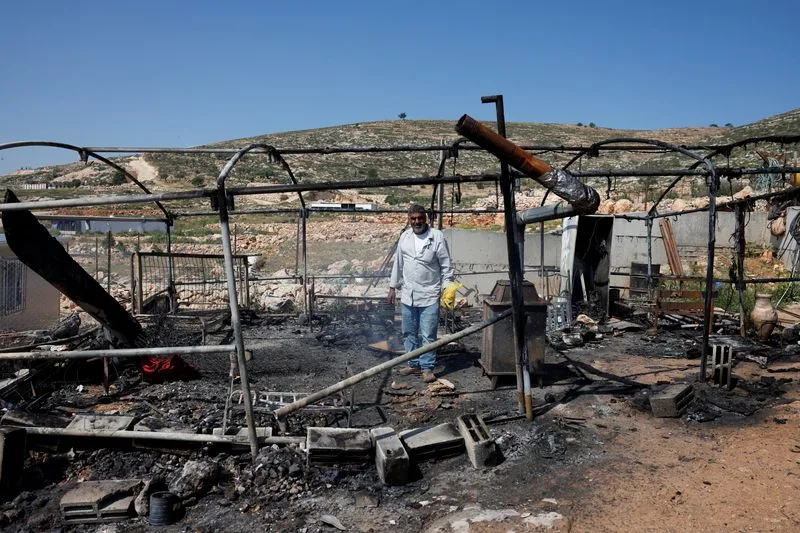
 In a significant move, Canada has imposed sanctions on individuals accused of engaging in violence against Palestinian civilians and their property in the West Bank. These are the first-ever sanctions targeting extremist Israeli settlers under the Special Economic Measures Act. The escalating violence by extremist settlers has undermined human rights, prospects for a two-state solution, and regional security. Since October 7, 2023, there have been at least 800 settler attacks against Palestinians, resulting in verbal or physical assaults, property damage, and forced displacement of communities.

The Sanctioned Individuals:

  1. David Chai Chasdai
  2. Yinon Levi
  3. Zvi Bar Yosef
  4. Moshe Sharvit

These individuals are now prohibited from dealings related to Canada and are rendered inadmissible under the Immigration and Refugee Protection Act. Canada remains committed to a comprehensive, just, and lasting peace in the Middle East, opposing the expansion of illegal settlements in the West Bank and East Jerusalem.

Foreign Affairs Minister Mélanie Joly emphasized that acts of extremist settler violence are unacceptable, and perpetrators will face consequences. The rise in violence poses significant risks to peace and security in the region, affecting families forced to leave their homes due to threats by extremist settlers.

Canada’s stance aligns with the Geneva Convention, which applies in the occupied territories and establishes Israel’s obligations as an occupying power regarding the humane treatment of inhabitants. While other countries like the U.S., U.K., and EU have also taken measures against violent Israeli settlers, Canada’s recent sanctions represent a crucial step in addressing this ongoing violence.

As the situation unfolds, Canada continues to advocate for a peaceful resolution and justice for affected communities in the West Bank.

Comments