Featured

Rising Tensions Leave Ships Stranded in Key Oil Passage

Traffic through the Strait of Hormuz ⁠was closed for a fourth day on Tuesday, choking off a key artery accounting for about 20% of global oil and gas supply. Greece’s Minister of Maritime Affairs and Insular Policy, Vassilis Kikilias, has raised urgent concerns over an increasingly alarming situation in the Strait of Hormuz, where dozens of vessels remain stranded amid escalating conflict involving Iran. He emphasized the need to safeguard global shipping and protect seafarers as the strategic waterway—responsible for roughly 20% of global oil and gas flows—remains closed for a fourth consecutive day.  The closure has disrupted international trade routes and heightened anxiety across the maritime sector. Greek authorities have urged shipowners to exercise maximum caution and avoid high‑risk zones in the wider Persian Gulf region as tensions continue to rise. The prolonged shutdown underscores the vulnerability of global supply chains to geopolitical instability and highlights th...

article

Tragedy Strikes: Deadly Stampede in India Due to Overcrowding and Lack of Exits

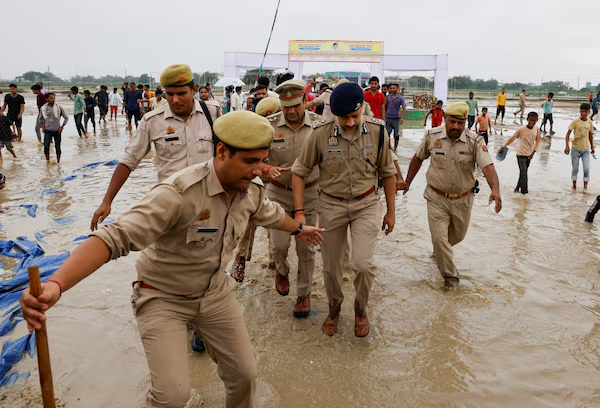
In a heart-wrenching incident at a religious festival in Northern India, a deadly stampede claimed the lives of at least 121 people. The tragedy unfolded due to a combination of factors, including massive overcrowding, insufficient exits, and treacherous, slippery mud.

Thousands of people had gathered at the event, and as they rushed to leave a makeshift tent, chaos ensued. The lack of proper exits exacerbated the situation, leading to panic and a fatal crush. Emergency responders worked tirelessly to rescue victims and provide medical aid, but the toll was devastating.

Local official Manish Chaudhry confirmed that five more people lost their lives on Wednesday morning, and 28 others remained hospitalized. The scene was one of grief, with family members mourning their loved ones who fell victim to this preventable disaster.

As authorities investigate the incident, questions arise about safety protocols, crowd management, and infrastructure planning. The loss of so many lives underscores the urgent need for better precautions during large gatherings, ensuring that tragedy does not strike again.


Comments