Featured

U.S.–Iran Strikes Escalate: What It Means for Your Gas Bill and Savings

  ⚡ BREAKING · MAY 8, 2026 By MoneySavings.ca Editorial Team   |  May 8, 2026  |  5 min read The Strait of Hormuz, photographed from space. Approximately 20% of the world's oil supply passes through this narrow waterway. (Image: NASA / Public Domain) American warships were attacked in the Strait of Hormuz on May 7, 2026 — and the U.S. military fired back hard, striking Iranian ports at Qeshm and Bandar Abbas. For Canadians, this isn't just a distant war story. It's a pocketbook issue. 20% of global oil transits the Strait of Hormuz every day $94 projected WTI crude price per barrel if closure continues (CEPR, 2026) 5% of normal shipping traffic still moving through the Strait What Happened — and When The crisis didn't begin overnight. On February 28, 2026, the United States and Israel launched coordinated strikes against Iran, targeting nuclear infrastructure and senior military leadership — including Supreme Leader Ali Khamenei, who was killed in the strik...

article

Tragic Consequences of Conflict: Israeli Strikes in Gaza and Lebanon


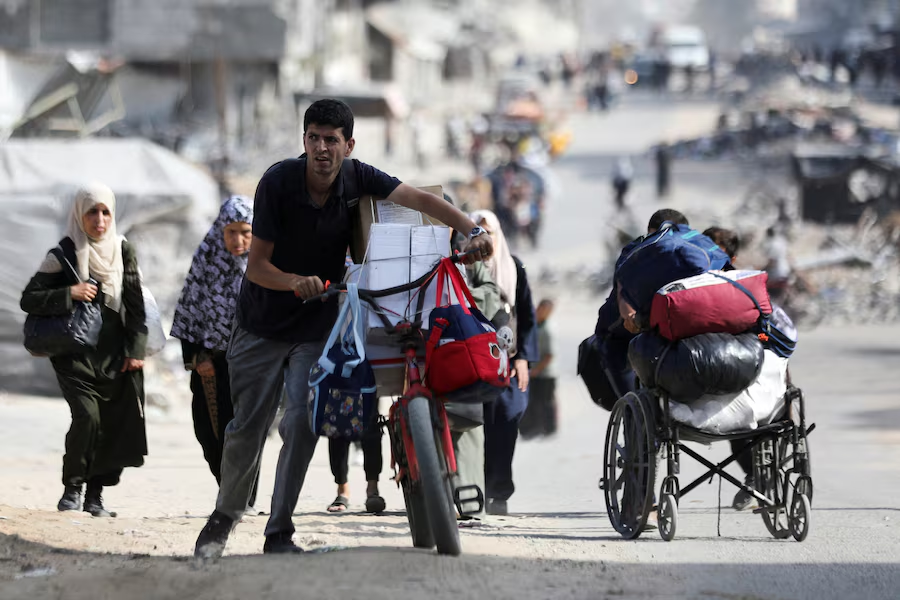
In a devastating series of events, Israeli airstrikes have resulted in significant loss of life and destruction in both Gaza and Lebanon. On Saturday night, an Israeli strike on the central Gaza Strip tragically killed a family of eight. The victims, who were residing in the Nuseirat refugee camp, included parents and their six children, aged between 8 and 23. The strike also left seven others wounded, with some in critical condition.

Simultaneously, in southern Lebanon, Israeli airstrikes destroyed a century-old market in the city of Nabatiyeh. The Ottoman-era market, which had stood since 1910, was reduced to rubble, resulting in the death of at least one person and injuries to four others. The destruction of this historic site marks a significant cultural loss for the region.

These incidents highlight the ongoing and severe impact of the conflict on civilian populations and infrastructure in the affected areas. The international community continues to call for de-escalation and a peaceful resolution to the hostilities.


Comments