Featured

Economy & Policy

Ottawa's Parliament Hill, where the Carney government is rolling out Canada's largest fiscal stimulus package since 1980. / Photo: Unsplash. MoneySavings.ca  ·  Economy & Policy Monday, April 13, 2026  ·  Daily Edition Canada at a crossroads: oil shock, frozen rates, and a trade deal on the clock Canada's economy is navigating a uniquely complicated moment in 2026. A Middle East conflict has sent oil prices surging past US$104 a barrel, a once-in-a-generation fiscal stimulus package is being rolled out in Ottawa, and the clock is ticking on a renegotiation of Canada's most important trade agreement. For everyday Canadians, this means uncertainty at the gas pump, a central bank with limited room to cut rates, and a federal government betting big on public spending to kick-start growth. Here is what you need to know about the forces shaping the Canadian economy right now. 1. The Bank of Canada is stuck — and oil is why The Bank of Canada has held it...

article

Trudeau Faces Pressure to Expand $250 Rebate Beyond Working Canadians


Prime Minister Justin Trudeau remains firm on his plan to provide a $250 rebate to "hardworking Canadians," despite mounting pressure from opposition parties to extend the benefit to seniors and individuals unable to work. The rebate is part of a broader affordability package announced by the Liberals, which also includes a temporary cut to the federal sales tax on popular holiday items.

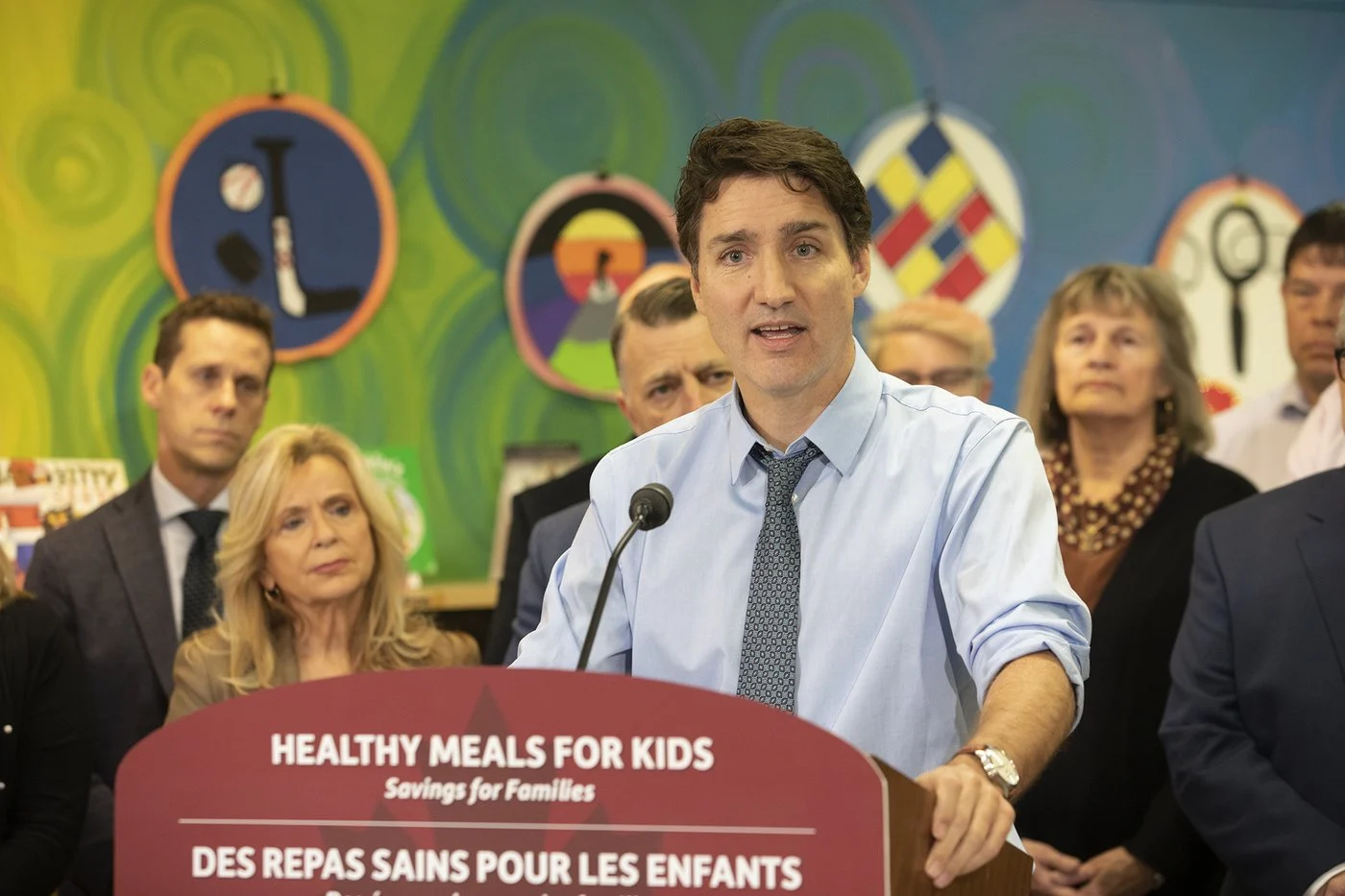
During a recent announcement on Prince Edward Island, Trudeau was questioned about the possibility of expanding the rebate to non-working seniors and people with disabilities. He reiterated that the measure is intended to support working Canadians who need extra assistance, while also mentioning that the government is exploring other ways to help those who do not qualify for the rebate.

The opposition, including the NDP and Bloc Québécois, has been vocal in their demands for a more inclusive approach. They argue that the rebate should also benefit seniors and people with disabilities, who are equally in need of financial support. However, Trudeau has not introduced legislation to enact the rebate, and it remains uncertain whether he will secure the necessary support from the opposition to pass it.

The GST holiday bill, which temporarily eliminates the federal sales tax on a range of items, passed in the House of Commons with the help of the NDP and is awaiting approval from the Senate. This measure is expected to provide some relief to Canadians during the holiday season, but the debate over the rebate's scope continues to be a contentious issue.

As the government navigates these challenges, Trudeau's stance on the rebate underscores his commitment to recognizing the efforts of working Canadians, while also highlighting the ongoing discussions about how best to support all citizens in need.

Comments