Featured

Global Travel Industry Reels as Middle East Conflict Triggers Deep Market Shock

Stranded passengers wait near Emirates Airways customer service office at I Gusti Ngurah Rai International Airport in Kuta, Bali, Indonesia. Travel stocks have plunged sharply as the escalating conflict involving the US, Israel, and Iran triggers the most severe disruption to global aviation since the pandemic. Major Middle Eastern hubs—including Dubai, the world’s busiest international airport—have remained closed for days, stranding tens of thousands of passengers and forcing airlines to reroute or cancel flights on a massive scale.  Oil prices have surged by about 7% amid rising geopolitical tensions, adding further pressure to airlines already grappling with operational chaos. Higher fuel costs are expected to squeeze margins across the sector, with analysts warning that the ripple effects could last for weeks.  European travel giants have been hit especially hard. Shares in TUI dropped 8.5% in early trading, while Lufthansa and other major carriers saw declines of up t...

article

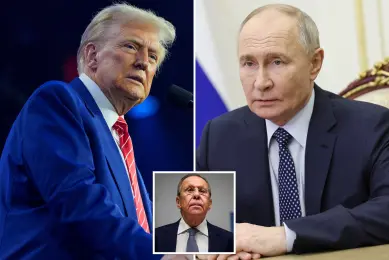
Russia Rejects Trump's Ukraine Peace Proposals

In a significant diplomatic development, Russian Foreign Minister Sergey Lavrov has rejected the peace proposals floated by President-elect Donald Trump's allies to end the ongoing war in Ukraine. Lavrov stated that Moscow has not received any official signals regarding a settlement in Ukraine but expressed dissatisfaction with the unofficial ideas being circulated. 

The proposals reportedly included delaying Ukraine's NATO membership for 20 years and stationing British and European peacekeeping forces in Ukraine. Lavrov emphasized the need for reliable and legally binding agreements that address the root causes of the conflict and prevent future violations. 

Trump, who campaigned on ending the war by the time he takes office, has not officially released any proposals to end the conflict. However, he has claimed that he could end the war within 24 hours of taking office. Despite these claims, Lavrov expressed skepticism about Trump's ability to restore ties between Russia and the U.S., citing the current bipartisan consensus on deterring Russia.

The rejection of these proposals marks a setback for Trump's hopes to freeze the conflict and highlights the complexities of achieving a lasting peace in the region.


Comments