Featured

Gulf War Flare-Up: What the Latest U.S.–Iran Strikes Mean for Your Wallet

  The three-month-old war between the U.S.–Israel coalition and Iran escalated again this morning. Here's a plain-English breakdown of what happened — and what it means for your gas tank and grocery bill. What Happened on June 6? U.S. forces struck Iranian coastal radar sites on Saturday, June 6, after shooting down drones launched by Iran toward the Strait of Hormuz, according to the U.S. military. The U.S. military believes the four Iranian drones were targeting regional maritime traffic. U.S. Central Command said it struck Iran's surveillance sites in Goruk and Qeshm Island, both located on the Strait of Hormuz. Iran did not take that lying down: Iran's Revolutionary Guard Corps said it had targeted U.S. bases in Kuwait and Bahrain in retaliation and fired on four tankers attempting to cross the strait without its permission. U.S. forces also helped shoot down incoming Iranian missiles and drones directed at Kuwait and Bahrain — a barrage of seven ballistic missiles in t...

article

Hospitals Overwhelmed as New Virus Spreads in China

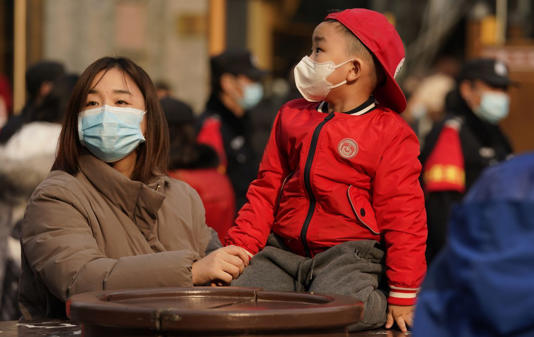
Hospitals across northern China are facing unprecedented pressure as a surge in cases of Human Metapneumovirus (HMPV) overwhelms healthcare systems. The virus, which causes flu-like symptoms, has led to overcrowded emergency rooms and intensive care units, reminiscent of the early days of the COVID-19 pandemic.

HMPV, a respiratory virus discovered in 2001, typically causes mild symptoms such as cough, fever, and congestion. However, this winter has seen a significant spike in infections, particularly among children and the elderly. Health authorities are implementing emergency measures to manage the outbreak, but the sheer volume of cases is straining resources.

The Chinese Center for Disease Control and Prevention (CDC) has reported that while the virus is not new, the current outbreak is more severe than usual. Officials are urging the public to take precautions such as frequent handwashing, wearing masks, and avoiding close contact with sick individuals.

Despite the challenges, experts remain optimistic that the situation can be managed with coordinated efforts and public cooperation. The global community is closely monitoring the situation, hoping to prevent a repeat of the widespread impact seen during the COVID-19 pandemic.

As the world watches, the resilience of China's healthcare system and the effectiveness of its response will be put to the test once again.


Comments